12 hr
Amed Underwater Temple & Shipwreck Snorkeling Adventure
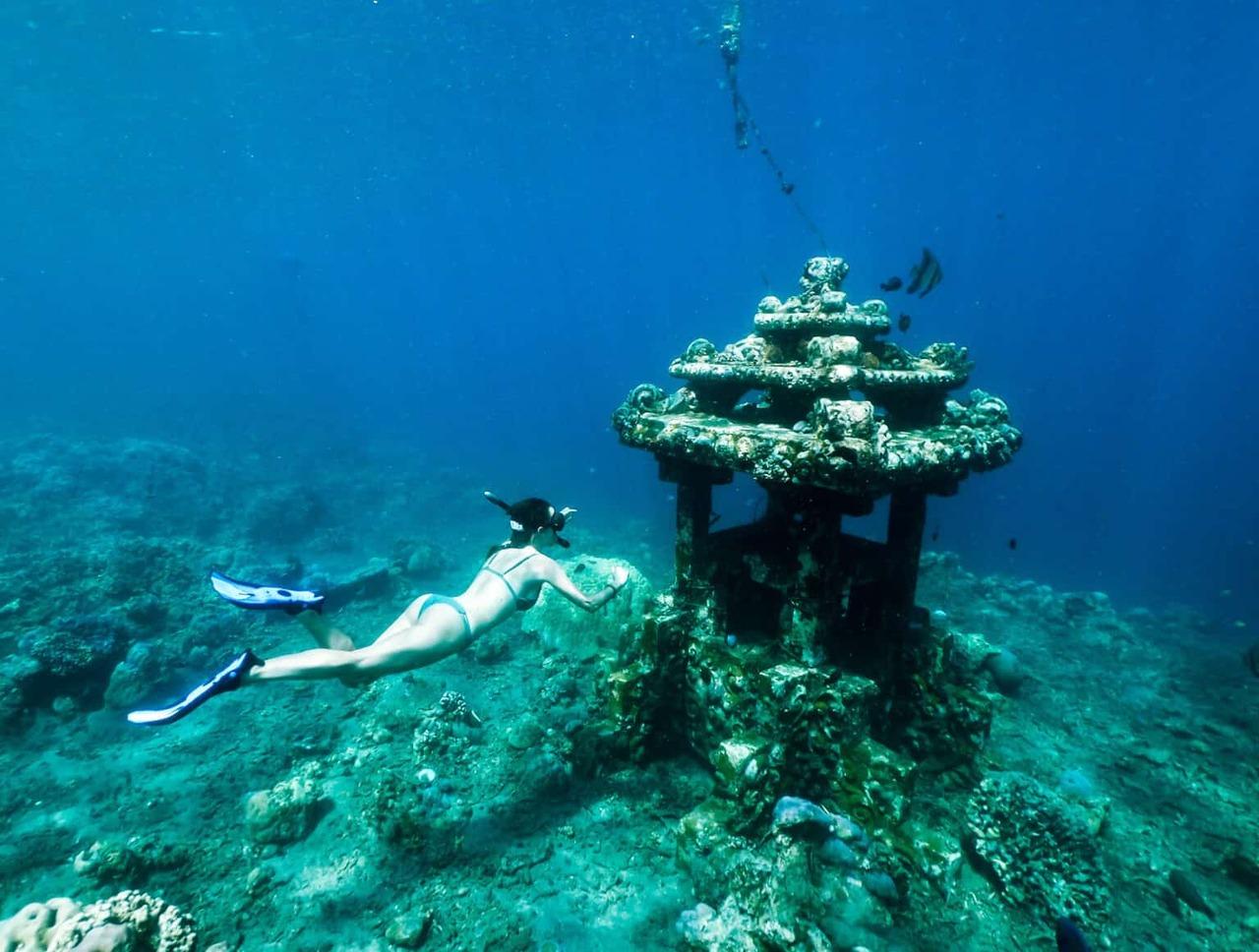
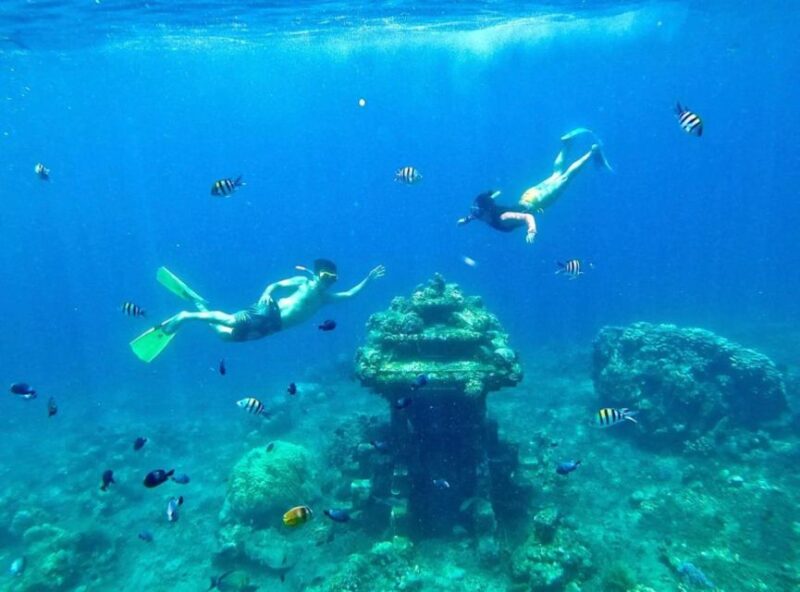
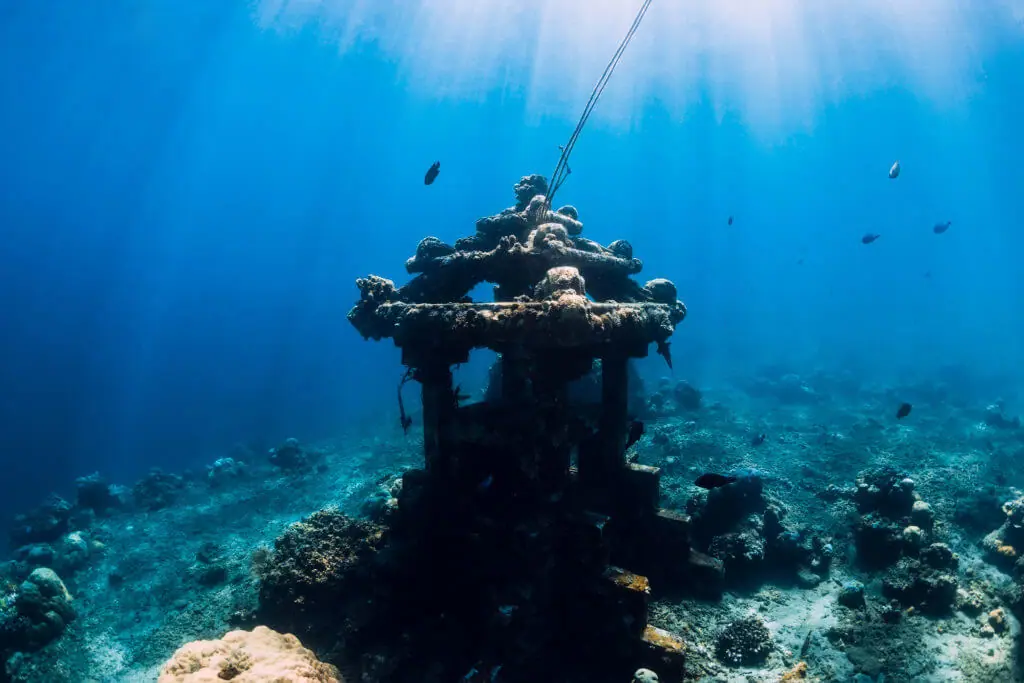
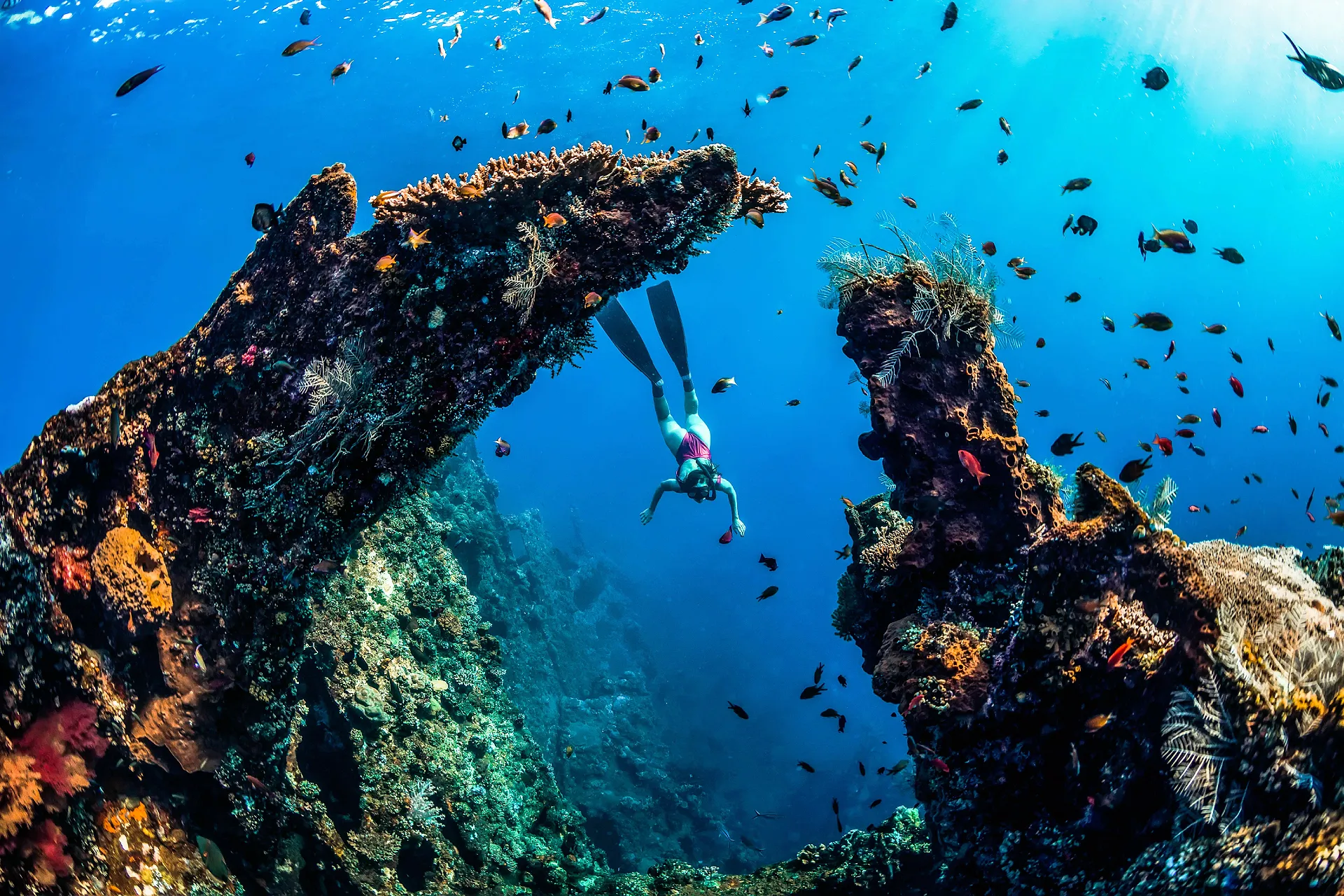
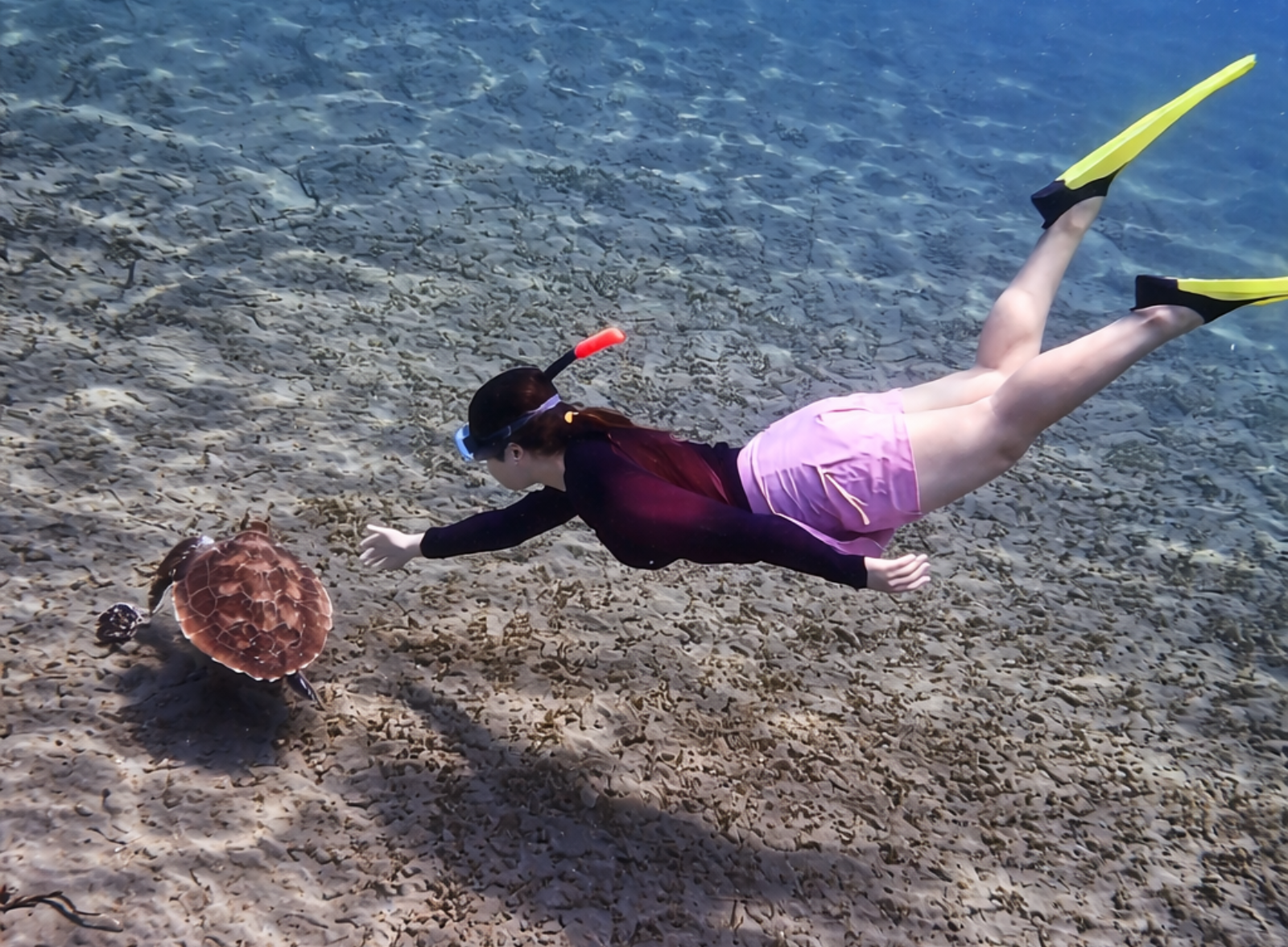
Discover four premier snorkeling spots including a submerged temple, WWII wreck, and sea turtle habitat
Reserve
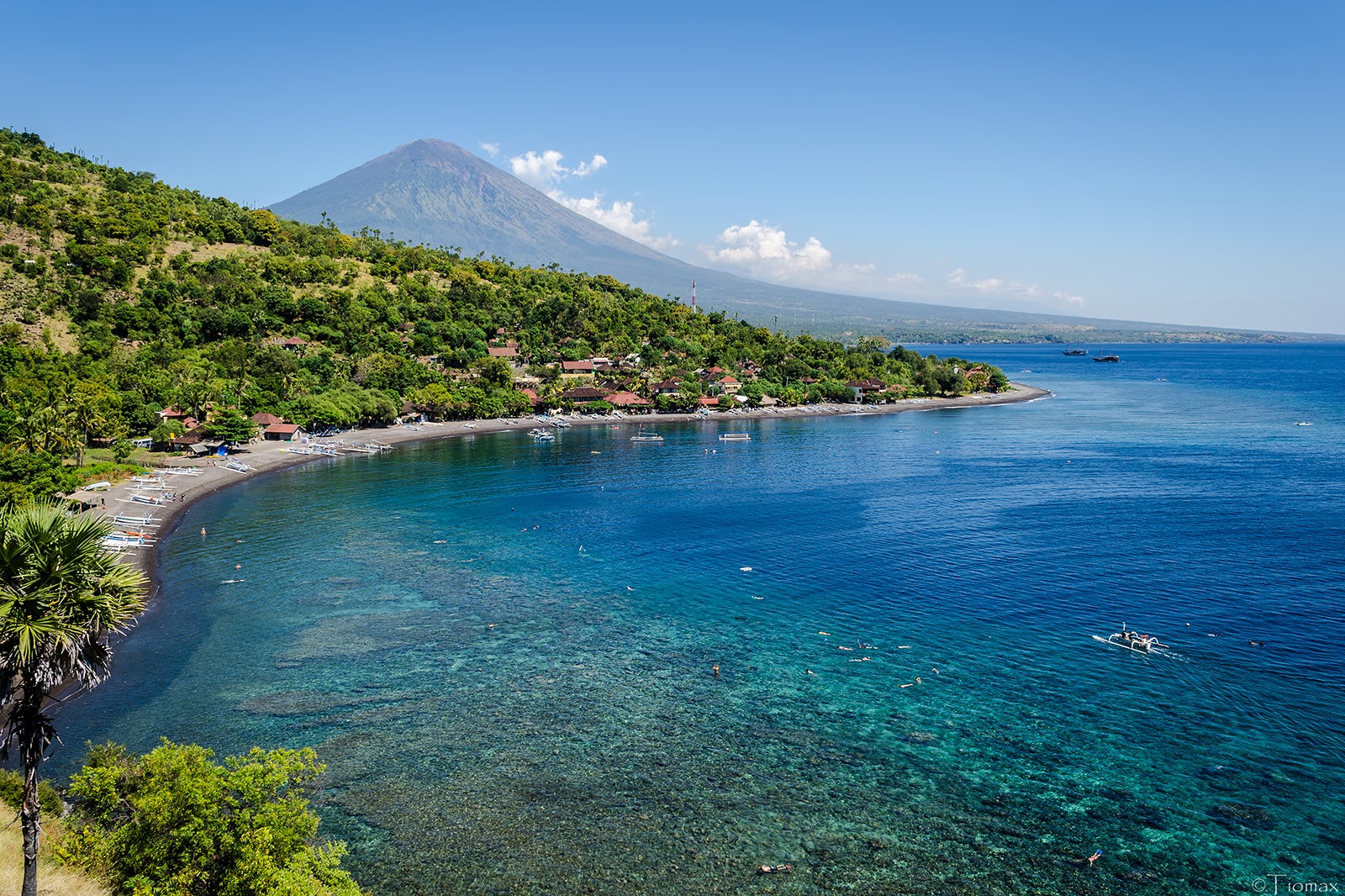
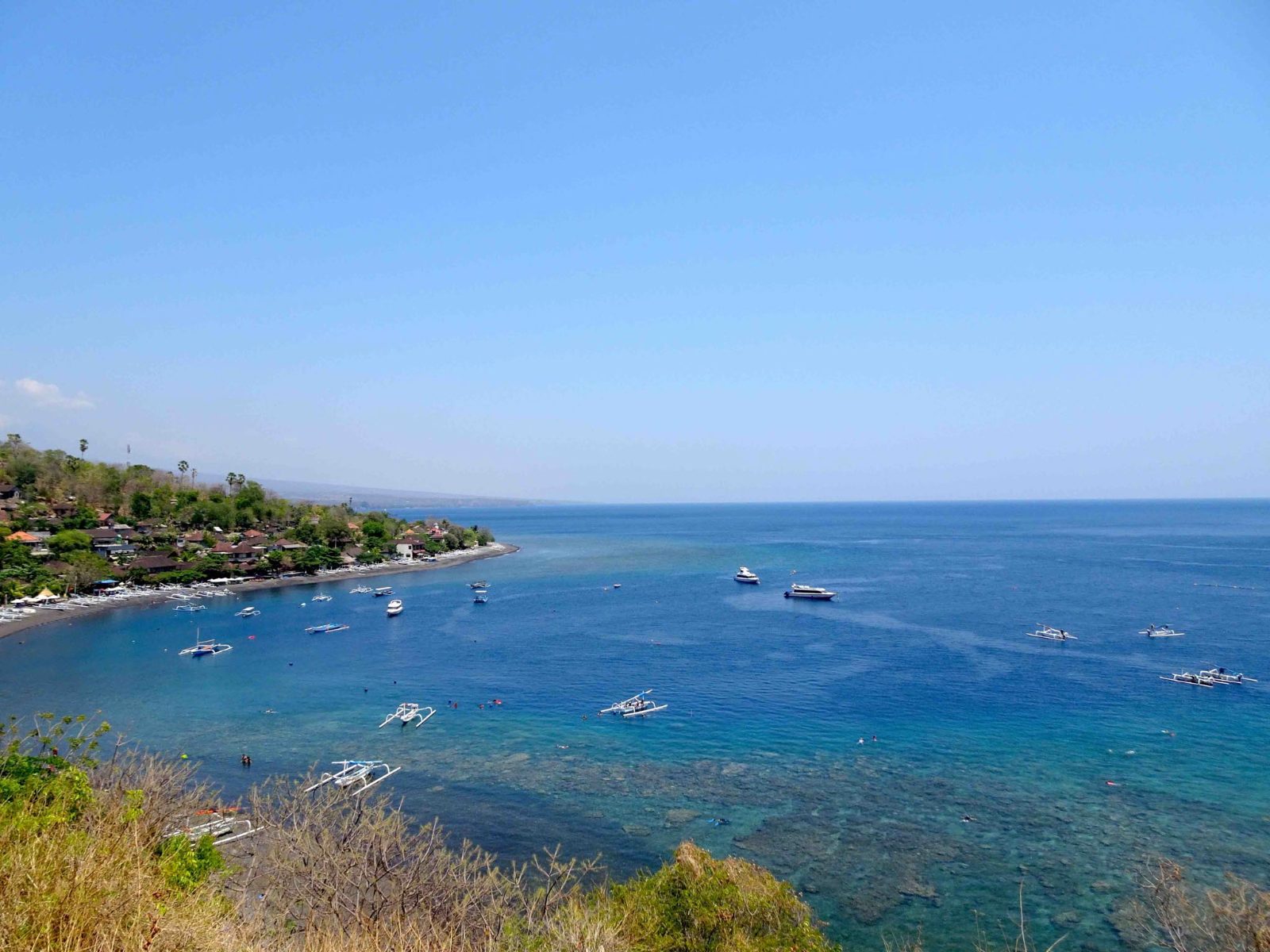
Volcanic sand meets technicolor reef, where calm bays host Bali's clearest shallows
Hand-picked by our editors — only the best 12 snorkeling experiences from 47 operators reviewed.
Verified partners for Amed Snorkeling tours, free cancellation where available, and instant confirmation on every booking.
12 hr
Discover four premier snorkeling spots including a submerged temple, WWII wreck, and sea turtle habitat
Reserve
3 hr 30 min
Dive into Bali's underwater wonders at four stunning locations, from a historic shipwreck to a submerged temple.
Reserve
3 hr
Explore Bali's premier underwater sites with a guided snorkeling trip to multiple pristine locations
ReservePrices from verified partners. Availability updates in real time at checkout. Free cancellation policies apply where shown.
The landmarks, rooms, and views travelers on Amed Snorkeling tours remember — all visible on a single visit.
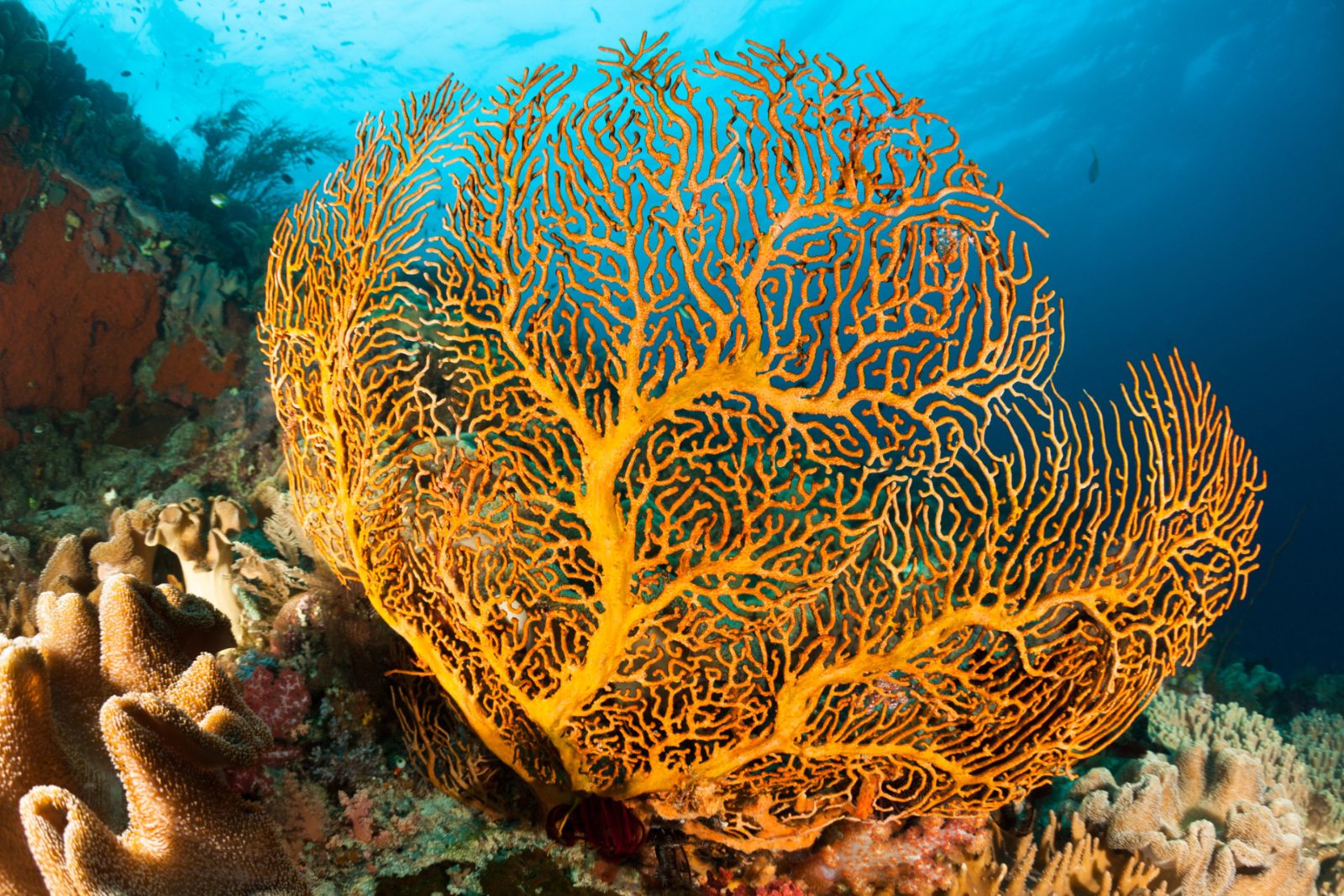
Shallow reef featuring vibrant coral formations and diverse marine life populations.
Known for calm currents and an abundance of colorful reef fish species.
A vertical reef drop-off offering unique underwater views for experienced snorkelers.
Every Amed Snorkeling tour side-by-side — duration, what's included, how you redeem.
| Experience | Duration | Rating | Transfers | Pickup | Guide | Free cancel. | Price | |
|---|---|---|---|---|---|---|---|---|
|
Guided Experience Most popular
Amed Underwater Temple & Shipwreck Snorkeling Adventure
|
12 hr | ★ 4.7 | ✓ | ✓ | ✓ | ✓ | $38 | Book → |
|
Luxury / Private
Private 4-Site Snorkeling Adventure in Amed
|
3 hr 30 min | ★ 4.8 | — | — | ✓ | ✓ | $47 | Book → |
|
Standard Entry
Amed Snorkeling Adventure: Jemeluk Bay & Lipah Beach
|
3 hr | ★ 4.6 | ✓ | ✓ | — | ✓ | €23 | Book → |
All prices from verified partners. Availability and exact terms confirmed at checkout.
They complement each other; most visitors who do both find the shore-accessible amed snorkeling tours provide more flexibility, while Menjangan Island offers a superior protected marine park environment. Choosing between these Bali snorkeling landmarks depends on your preference for effortless beach entry versus boat-based deep-water expeditions.
| Feature | Top pick Amed | Menjangan Island |
|---|---|---|
Access Method |
Shore entry | |
Boat required;Coral Health |
Regenerating reef patches | |
Pristine protected reef;Crowd Levels |
Moderate localized density | |
Low to moderate;Marine Life Variety |
Reef fish and macro | |
Pelagics and wall life;Boat Dependency |
None | |
Mandatory boat transport;Difficulty Level |
Easy shore access | |
| See tickets → |
Verdict: Select Amed snorkeling for its casual shore-based convenience, or book an amed snorkeling tour to Menjangan Island if you seek the pristine visibility and diverse wall dives often associated with premium amed snorkeling tickets.
Choose your ticket, select your date, and reserve in under two minutes. Secure checkout handled by our verified partner.
Instant confirmation by email, with a mobile voucher you can save offline. No printing, no queuing at a collection desk.
Arrive at the entrance, show your voucher on your phone, and walk in. Most tickets include priority or skip-the-line access.
Practical details for Amed Snorkeling tickets straight from our verified partners — hours, access, rules, and how to get there.
Amed, Karangasem
Main area for reef entry
Open in Google MapsPrivate transfer from Denpasar takes approximately 3 hours.
Casual beachwear is appropriate for all amed snorkeling areas. Ensure modesty when walking through the village or entering local warungs.
Keep valuables in a secure waterproof bag or leave them at your accommodation. There are no lockers provided at public beach access points for your amed snorkeling equipment.
Underwater photography is permitted throughout the marine areas. Ensure you respect coral formations and do not touch marine life while capturing images.
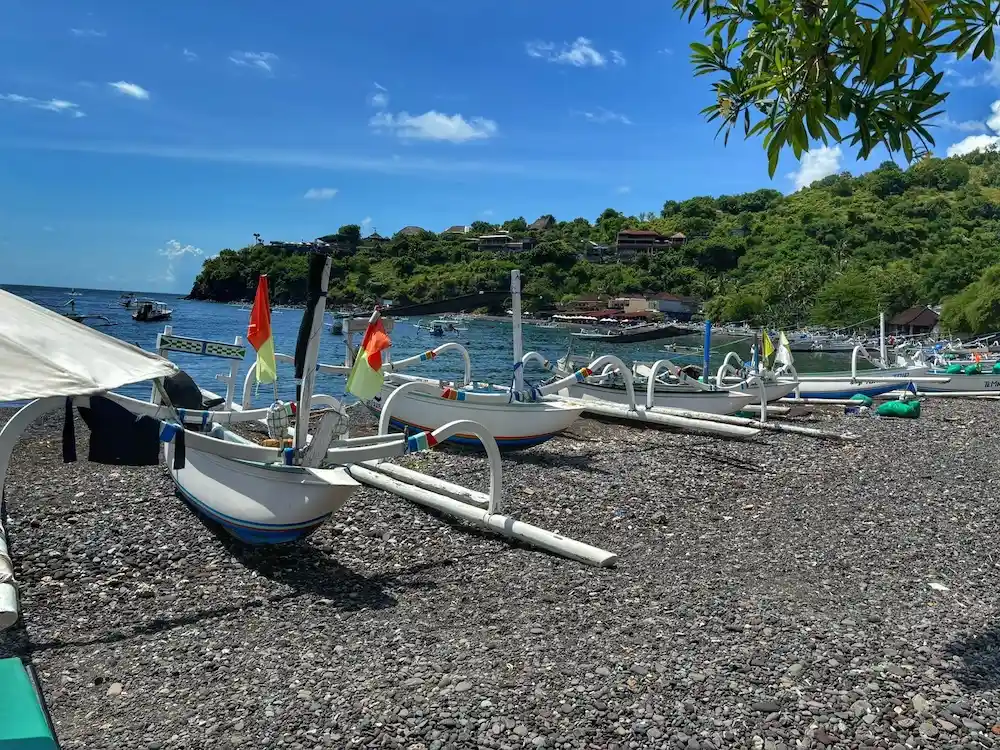
Access to the water often involves walking over volcanic pebbles or sand. Some entry points for a guided amed snorkeling tour may be easier for those with limited mobility.
Mobile phones are useful for navigation and photos. Keep them in a dry bag to prevent damage from salt water.
The calm morning waters provide a safe environment for children to observe sea life. Supervise young swimmers closely as currents can shift.
Numerous local warungs line the coast providing refreshments. Bring reusable water bottles to minimize waste during your amed snorkeling experience.
Pets are generally permitted on the beach but should remain leashed. Avoid bringing animals into the water to protect local reef ecosystems.
Maintain neutral buoyancy to avoid damaging the reef structure. Local conservation efforts rely on visitors respecting these underwater habitats.
Best time to go, insider tips, nearby landmarks, and the cancellation fine print — flip through to skim what matters to you.
How crowds, weather, and events shift across the year.
Dryer conditions offer consistent underwater visibility for snorkeling.
High season provides clear water but busier shore areas.
Transition months feature fewer crowds and excellent marine conditions.
Occasional rain may reduce visibility but allows for quiet shore access.
Small details that turn a good visit into a great one.
Tidal changes affect water visibility and entry ease. Check local tide charts before planning your daily amed snorkeling trip.
Never stand on or touch coral while enjoying your amed snorkeling tour. This preserves the delicate ecosystem for future visitors.
Non-bookable sights within a short walk — free to visit, easy to pair.
The most popular bay for viewing shallow coral reefs and diverse tropical fish.
A quiet bay known for calm waters and distinct snorkeling spots.
A famous submerged wreck located nearby in Tulamben accessible for skilled snorkelers.
Flexible, no hidden fees.
As amed snorkeling is a natural attraction with 0 IDR entrance fee, no formal cancellation policy applies. If booking private amed snorkeling tours, check specific operator terms for refund windows.
Hand-picked options within walking distance — pick a district for vibe, or a specific hotel for convenience.
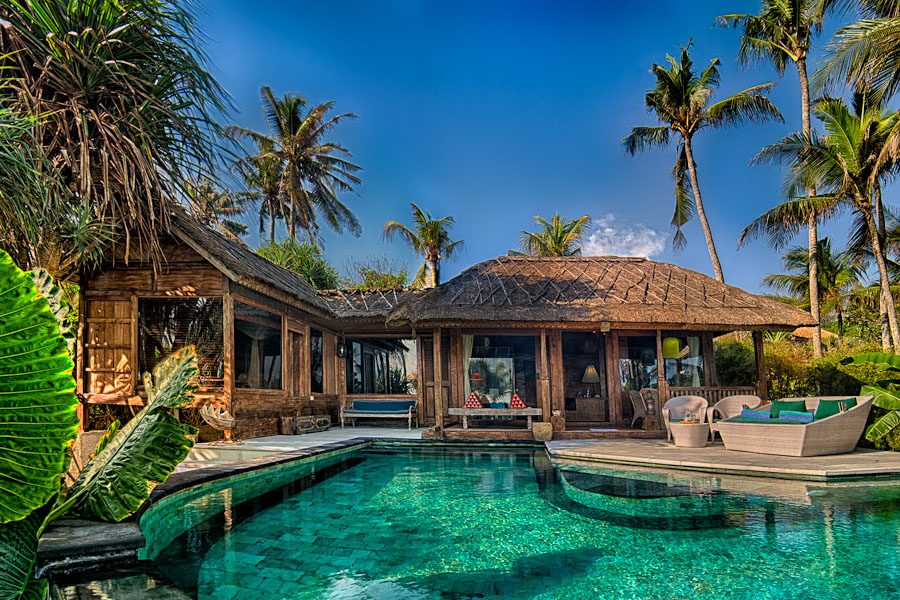
Boutique stay with ocean views and pool access.
Amed's seven-kilometer coastline shelters more than a dozen named snorkel sites, most accessible directly from black-sand beaches without boat transfers. The absence of river runoff along this volcanic stretch keeps visibility above fifteen meters year-round, a rarity on Bali's monsoon-swept coasts.
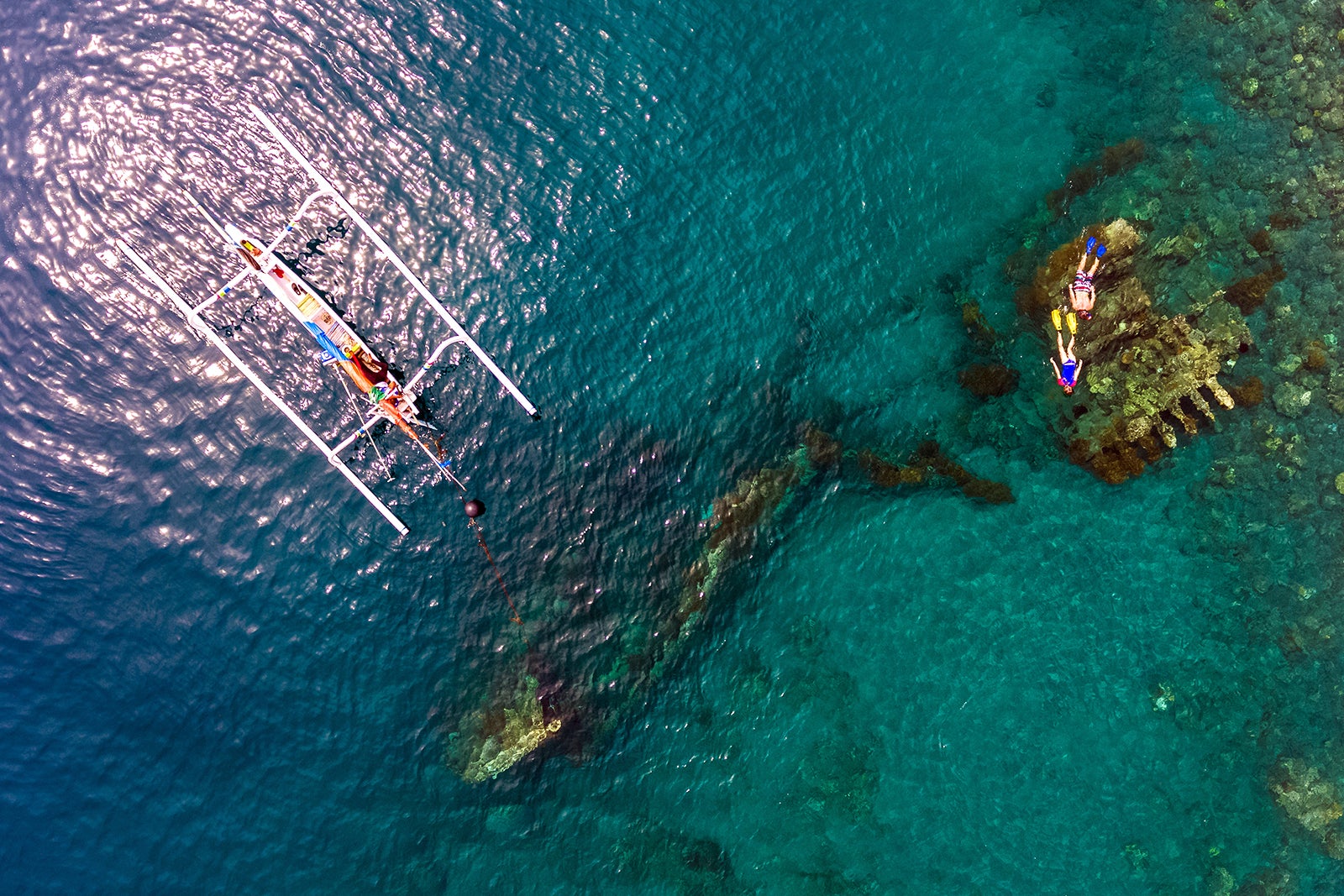
Jemeluk Bay, the northernmost cove, hosts a coral wall that drops from two meters to thirty within twenty strokes of shore. Staghorn formations colonize the shallows; deeper terraces hold plate corals the diameter of kitchen tables. The Japanese Shipwreck, a wooden-hulled patrol boat scuttled in 1963, rests in four meters of water off Banyuning Beach, its ribs now scaffolding for soft corals and glassfish schools that number in the thousands.
Amed's reef systems benefited from a 2012 community-led moratorium on destructive fishing practices. Village cooperatives now manage mooring buoys at high-traffic sites, and snorkelers pay a voluntary conservation fee of twenty thousand rupiah per visit, funds directed toward coral transplantation and reef monitoring. The intervention reversed two decades of blast-fishing damage; surveys conducted in 2024 documented a forty-two percent increase in hard coral cover across monitored quadrants. Pyramid Point, the southernmost site, features a tiered topography where three reef plateaus descend like amphitheater seats, each hosting distinct assemblages: damselfish and chromis in the shallows, triggerfish and parrotfish on the mid-slope, and Napoleon wrasse patrolling the sand channels below fifteen meters.
Morning snorkeling along this coast takes advantage of offshore wind patterns. Before ten o'clock, surface chop remains minimal and plankton concentration stays low, conditions that maximize underwater clarity. Afternoons bring onshore breezes that roughen the shallows and reduce visibility by a third. The volcanic substrate holds heat poorly, so water temperature hovers near twenty-seven degrees Celsius across all seasons, eliminating the need for full wetsuits. Amed's position in the rain shadow of Mount Agung spares the area from the November-to-March wet season that clouds western Bali's waters. Most operators issue mask, snorkel, and fin sets as part of guided outings, though independent snorkelers can rent gear from beachfront warungs for thirty thousand rupiah per day. The shipwreck and Jemeluk wall remain the most visited sites, but the southern bays—Lipah, Selang, Banyuning—offer equivalent marine density with a fraction of the foot traffic.

"Village cooperatives now manage mooring buoys at high-traffic sites, and snorkelers pay a voluntary conservation fee directed toward coral transplantation and reef monitoring."
A step-by-step walkthrough of Amed Snorkeling tickets — what you'll see, how long each stage takes, and the details that matter.
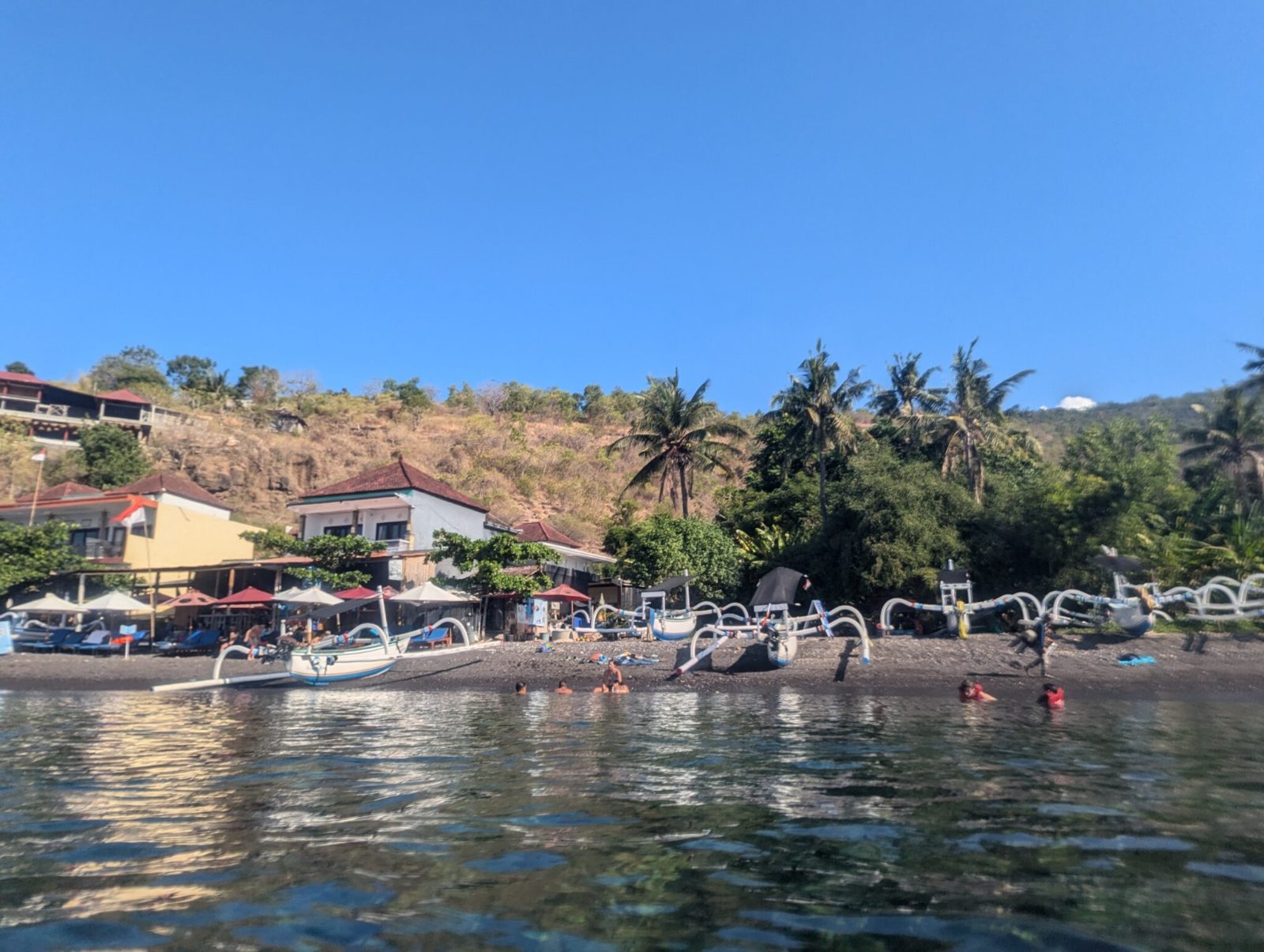
You wade from Jemeluk's black pebble beach into water so clear you count individual sand grains three meters below.
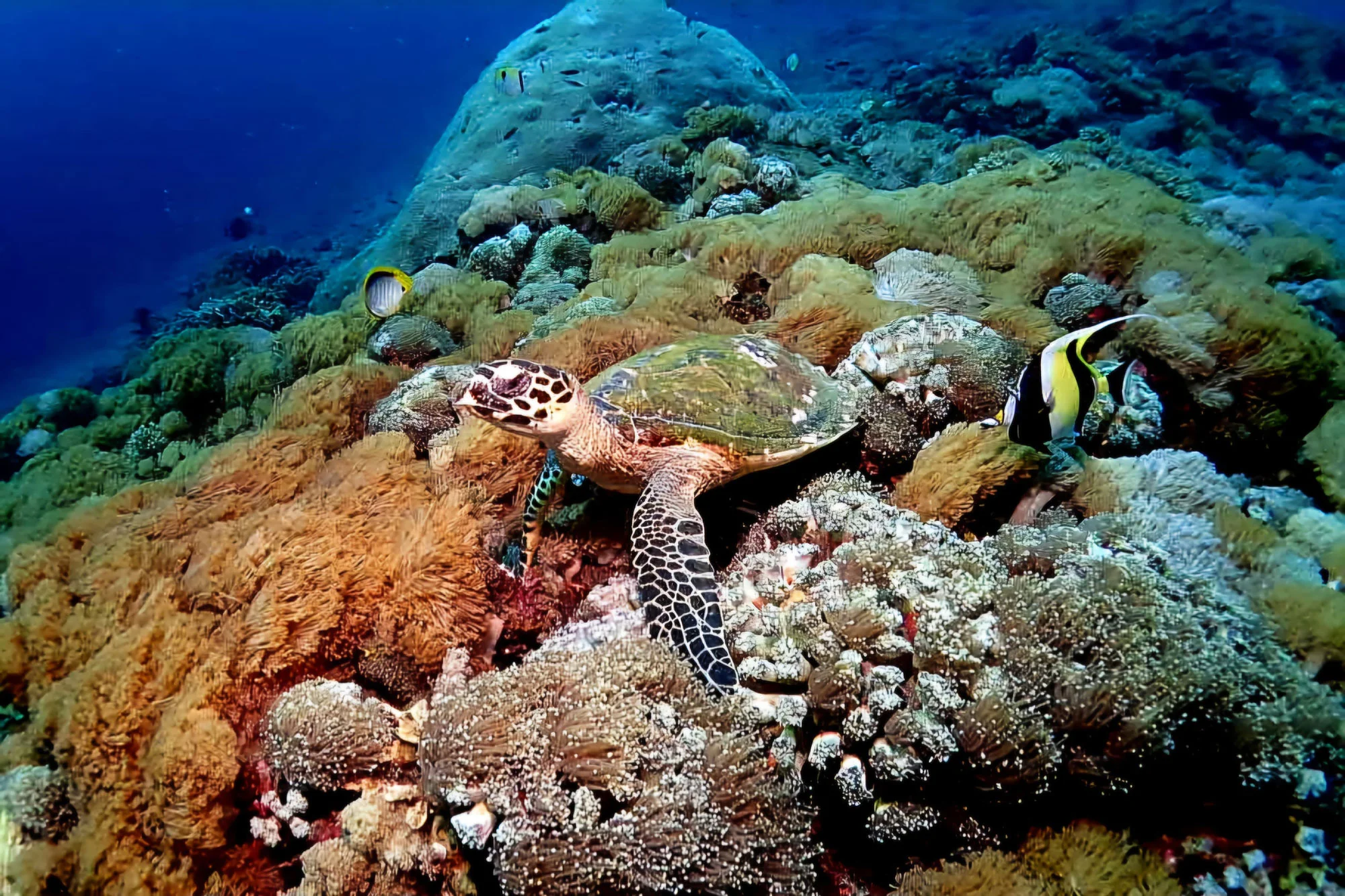
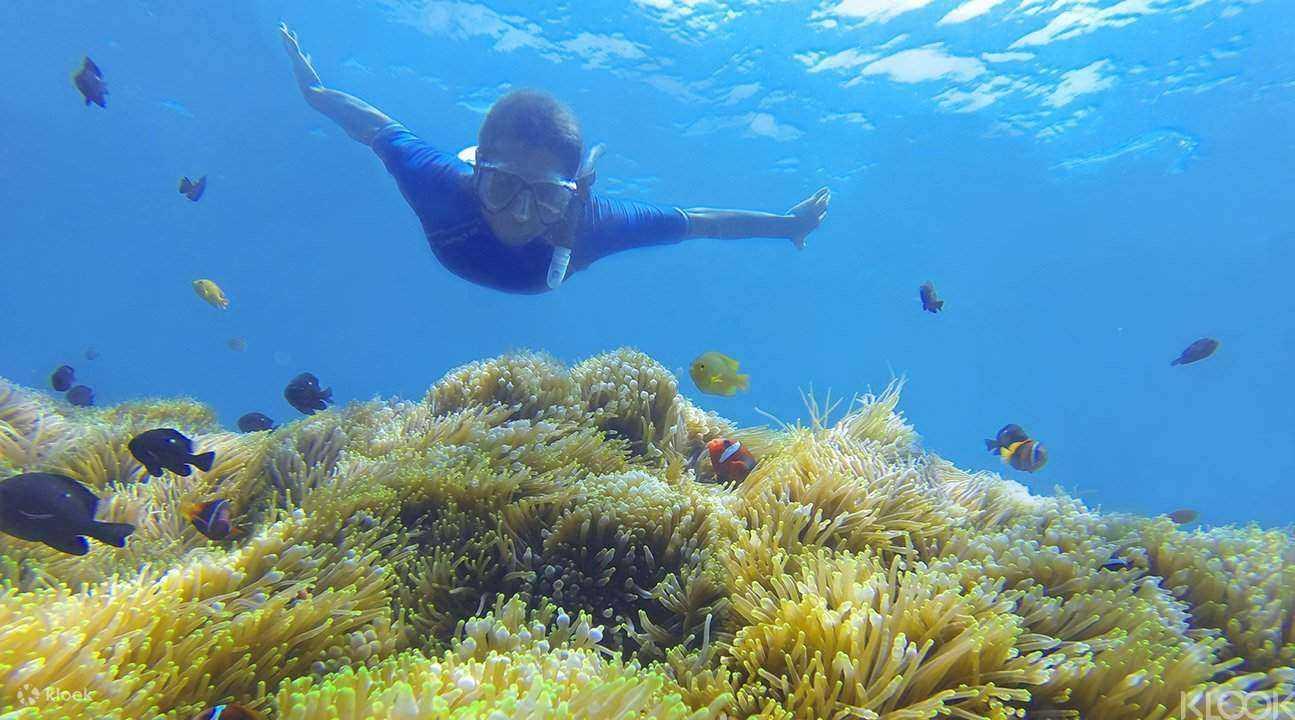
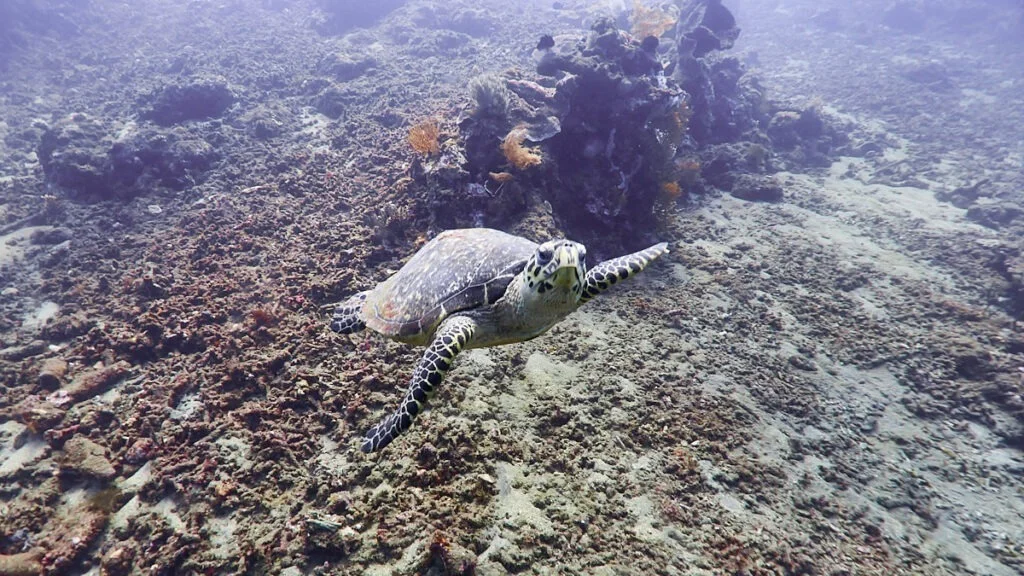
Within five fin strokes the bottom drops away and the coral wall materializes: a vertical garden of staghorn clusters, table corals cantilevered over empty blue, anemones hosting pairs of clownfish that dart and return like yo-yos. You follow the wall north, staying shallow, as schools of fusiliers stream past in silver ribbons. At the ten-minute mark a hawksbill turtle surfaces beside you, exhales, and descends without haste toward a sponge-covered overhang.
The shipwreck lies two hundred meters south, marked by a yellow buoy. You surface-swim to save energy, then descend onto the wreck's starboard flank. The hull sits upright in four meters, ribs exposed, deck beams furred with hydroids. Glassfish pack the interior hold so densely the school moves as a single liquid shape. A lionfish hovers under the bow, fins spread, hunting. You circle the stern, where the rudder leans at thirty degrees and a moray eel watches from a porthole. Fifteen minutes pass before you notice the cold, and you kick back toward shore, tracking the depth gauge as the reef rises to meet you. At two meters you pause to watch a parrotfish excavate coral rubble, each bite audible as a muffled crunch. The beach returns in segments: first the buoys, then the anchored jukungs, finally the warungs and their hand-painted signs promising cold Bintang and nasi goreng.
The beach is open 00:00–23:59 daily.
There is 0 IDR entrance fee, though some access points may charge small parking fees.
The best arrival window is 06:00–10:00 for calm seas.
Yes, families often enjoy the shallow reef areas during calm mornings.
Yes, you are encouraged to bring your own equipment for a better experience.
Parking is generally available near most popular beach access points.
As a public site with 0 IDR entry, no cancellation is required.
Yes, many local warungs are situated along the coast near all snorkeling spots.
No tickets are required for public beach access for your amed snorkeling trip.