Amed Snorkeling
Reef Guide

Amed Snorkeling Spots

Amed's northeast Bali coastline holds more than a dozen named snorkeling sites, each with distinct topography and marine communities. This guide maps the accessible reefs, explains what you'll find at each, and frames the seasonal and tidal factors that govern visibility and current strength.

7 min read Updated 2026-09-23 Fact-checked
Amed Snorkeling Spots

Quick answer

The most accessible Amed snorkeling spots include Jemeluk Bay's coral wall five meters from shore, the Japanese shipwreck in Banyuning Bay at seven meters depth, Lipah Bay's sloping reef with ghost bay access, and the Pyramids artificial reef structure off Selang village. All sites offer shore entry, free access, and calm morning conditions between 7:00 and 11:00 when visibility peaks.

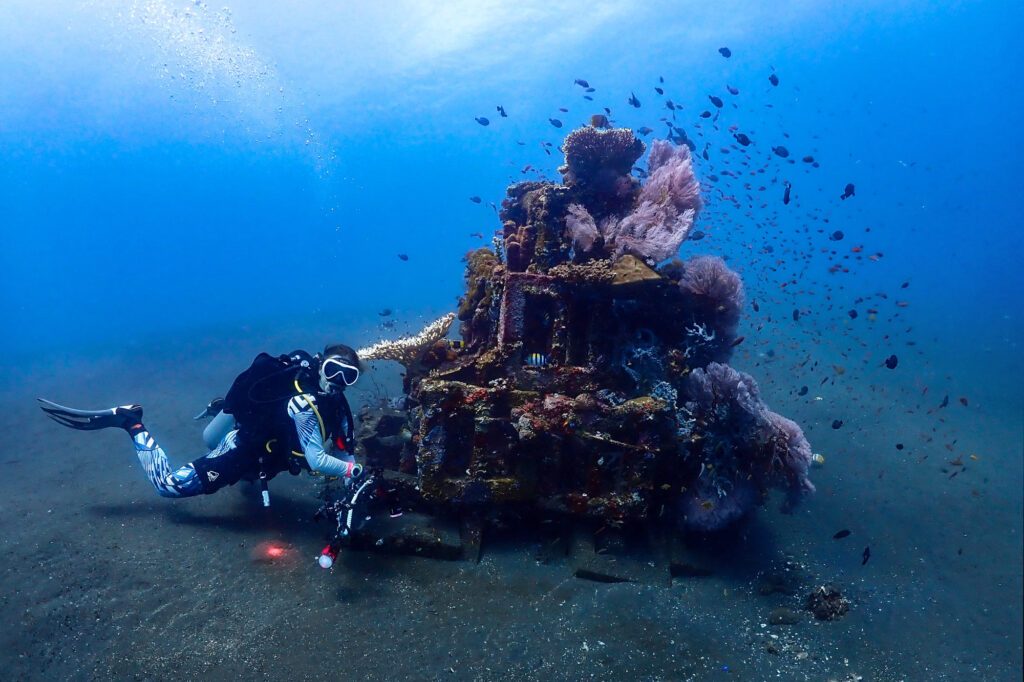
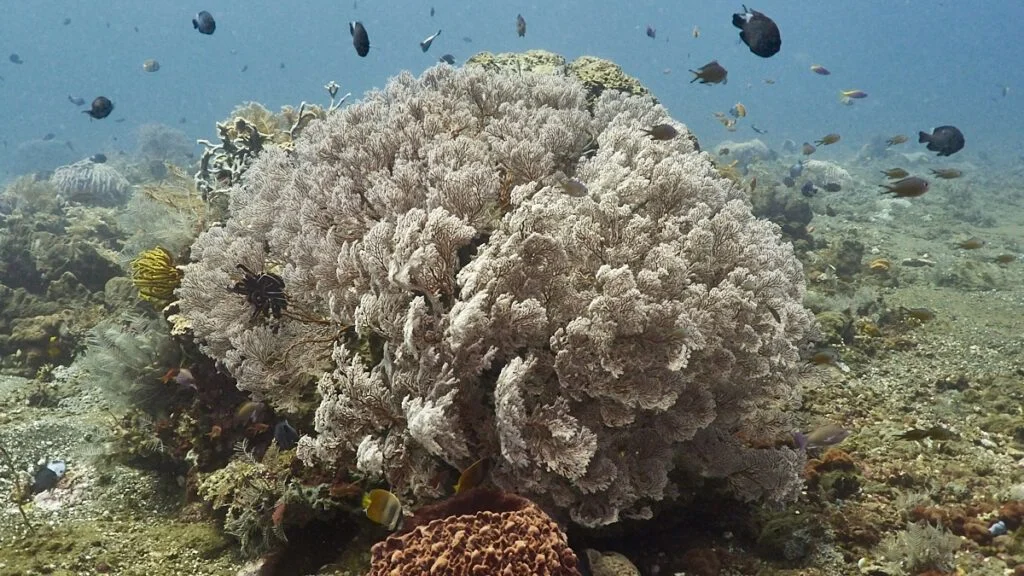
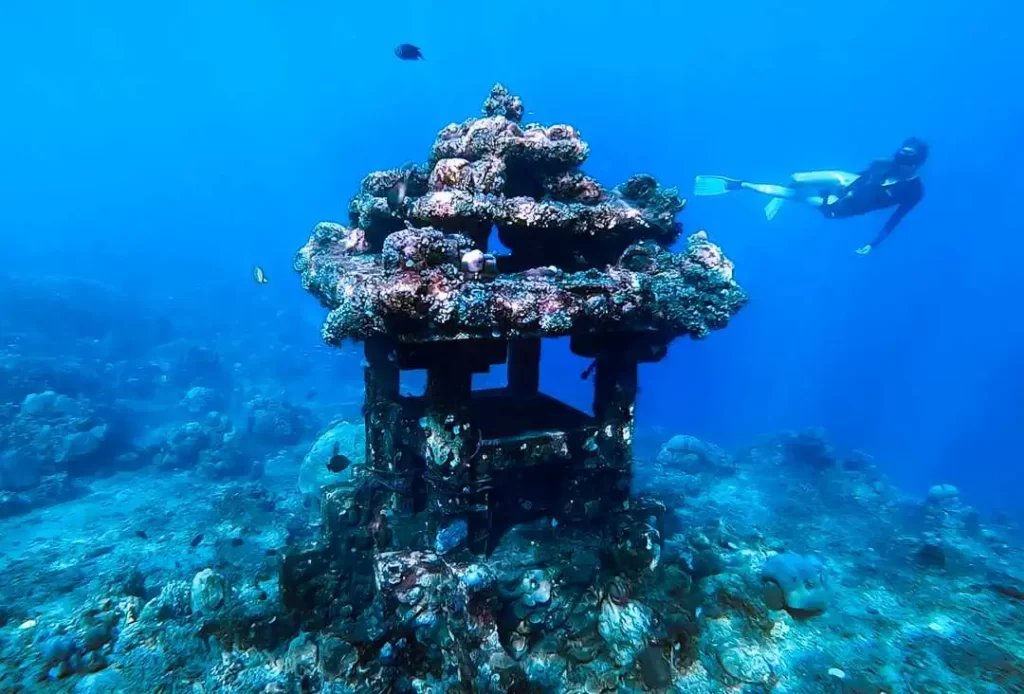
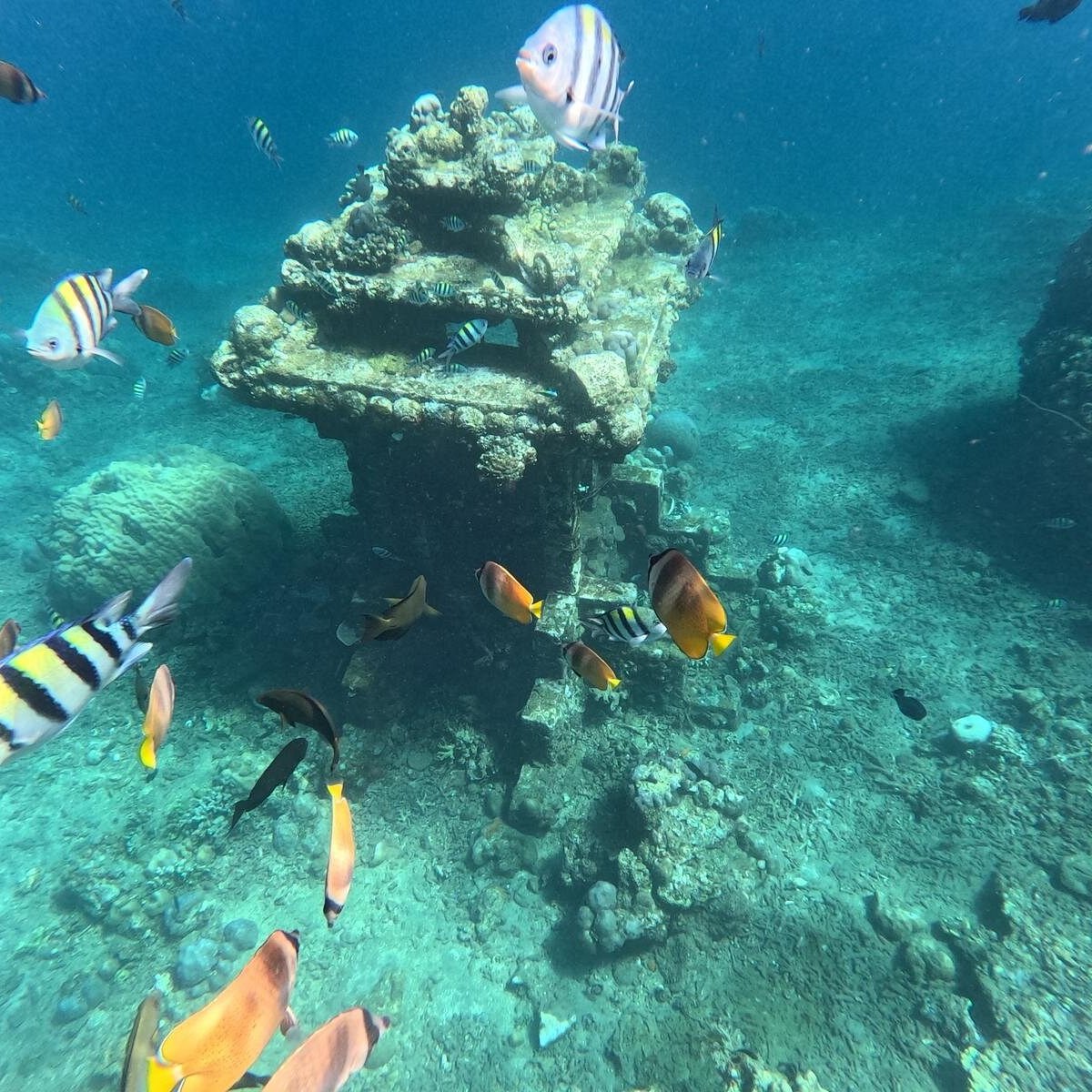
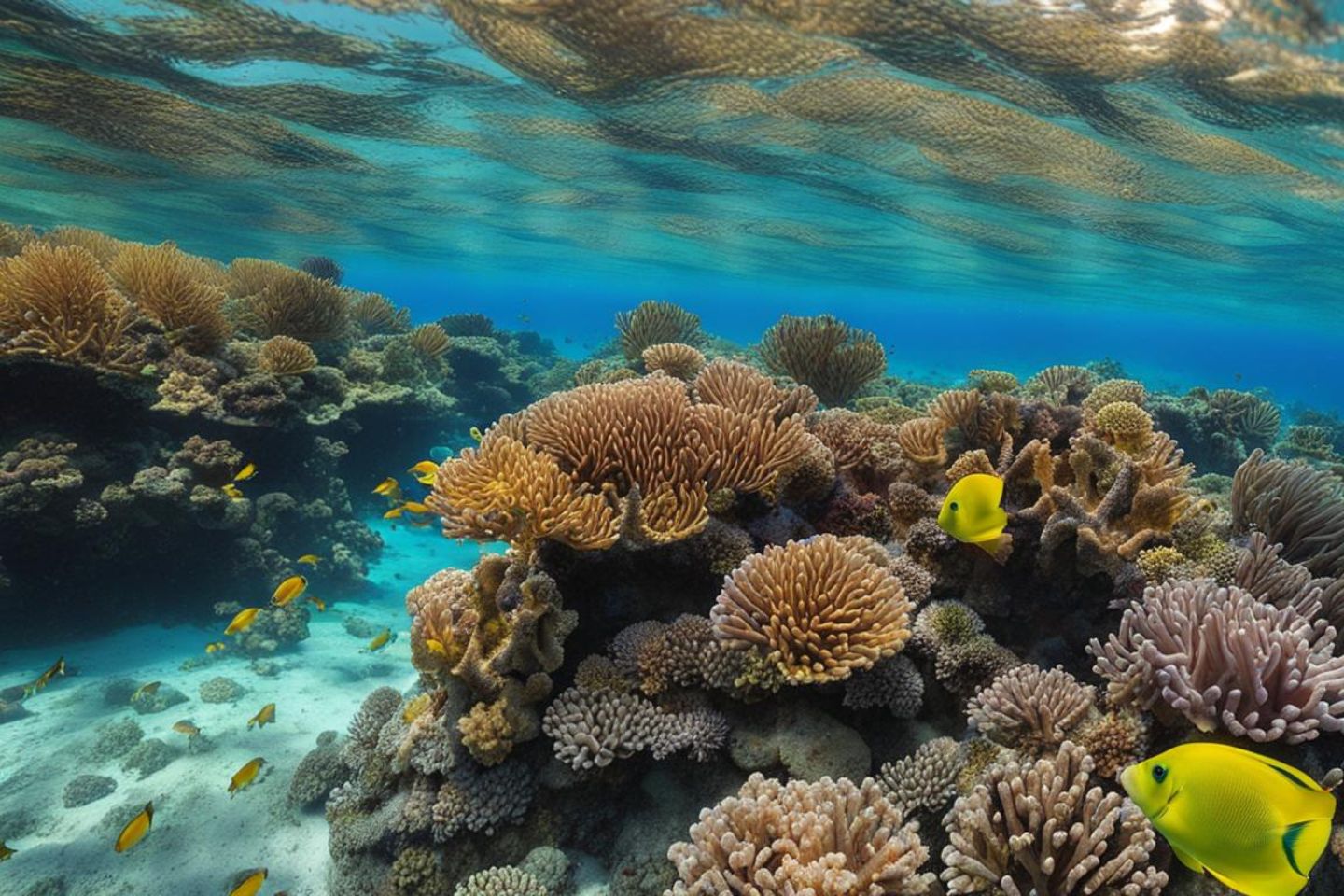
Amed's volcanic substrate creates a reef system that drops abruptly rather than spreading in shallow flats, meaning most snorkeling happens along walls and slopes rather than over sand. The eastern coastline faces the Lombok Strait, which funnels nutrient-rich upwellings that feed hard coral colonies and pelagic schools but can reduce visibility to eight meters during afternoon thermocline shifts. Jemeluk Bay anchors the northern cluster. The coral wall begins in waist-deep water and descends to twenty meters, with the richest formations between three and ten meters. Butterflyfish, parrotfish, and sweetlips congregate around table corals, and the wall's undercuts shelter moray eels and octopuses. The bay's crescent shape blocks most swell, making it the most forgiving site for new snorkelers. Banyuning Bay, two kilometers south, holds the remains of a Japanese patrol boat scuttled during World War II. The wreck sits upright at seven meters, its hull encrusted with soft corals and sponges. Schooling jacks and barracuda circle the structure at dawn. The site requires a ten-minute swim from shore and stronger finning ability than Jemeluk. Lipah Bay offers the widest reef platform, sloping gradually from shore to fifteen meters. The outer edge, called ghost bay for its frequent white-tip reef shark sightings, sits three hundred meters offshore. The bay's southern corner holds the densest hard coral cover in Amed, with barrel sponges and gorgonians clustered along a volcanic ridge. The Pyramids, off Selang village, consist of forty wire-frame pyramids installed in 2012 as an artificial reef. The structures now support prolific coral growth and serve as cleaning stations for manta rays during plankton blooms. The site lies four hundred meters offshore and requires confident open-water swimming. Small parking fees apply at most beach access points, collected informally by village cooperatives.

“Amed's volcanic substrate creates a reef system that drops abruptly rather than spreading in shallow flats, meaning most snorkeling happens along walls and slopes rather than over sand.”
Prices

Admission Fees at Amed Snorkeling Spots

Access to snorkeling locations in Amed is open to the public without an entrance fee. Visitors may encounter small, localized charges for parking vehicles at various beach entry points.

Entrance Fee Free public access to snorkeling areas
0 IDR
Parking Fee Typically required at beach access points
Small fee
Entrance to the snorkeling spots is free of charge for all visitors at all times.

Verdict: A typical adult pays 0 IDR for entry, though parking fees vary by location.

What to see

Notable Amed Snorkeling Spots and Zones

Amed features a diverse coastline where volcanic sand beaches give way to accessible coral gardens and varied marine ecosystems. Each zone offers distinct underwater topography suitable for snorkelers of different experience levels.

Jemeluk Bay

Jemeluk Bay

Known for its wall formations and the underwater mailbox, this bay hosts a high concentration of coral and reef fish. The seafloor drops quickly, providing a clear view of vertical reef structures.

Swim toward the center to locate the iconic submerged postbox.
Lipah Beach

Lipah Beach

This area is characterized by its gentle entry and expansive coral gardens stretching from the shoreline. It serves as a habitat for sea turtles and schools of reef fish.

Stay near the shallow rocky outcrops to observe grazing sea turtles.

Pyramids Point

Pyramids Point

Named for the artificial reef structures shaped like pyramids, this site attracts diverse marine life including batfish and blue-spotted rays. The sandy bottom between structures provides a clear contrast for spotting creatures.

Look for marine life sheltering inside the metal pyramid frames.

Bunutan Point

Bunutan Point

This site offers a more rugged underwater environment with deeper currents and larger coral formations. It is suited for snorkelers looking to see wider reef expanses.

Drift snorkel with the current along the outer edge of reef.

Directions

Getting to Amed Snorkeling Spots

The snorkeling spots are located in Amed, Bunutan, Abang, Karangasem, Bali, Indonesia. The most efficient way to reach this coastal area from major hubs like Denpasar or Ubud is by private car or hired taxi.

Car 2.5 to 3 hours —

Jalan Raya Amed via Jl. Raya Tulamben

Taxi 2.5 to 3 hours —

Direct transfer from Denpasar/Ubud

Bus 4 hours —

Perama Shuttle to Amed

Plan your travel to ensure you arrive during the best arrival window of 07:00–11:00 to access the water while conditions are calm.

Etiquette

Guidelines for Visiting Amed Snorkeling Spots

Amed's coral reefs and marine ecosystems depend on responsible snorkeler behavior. Following reef-safe practices protects the underwater environment for future visitors and sustains local conservation efforts.

Do

  • Use reef-safe sunscreen without oxybenzone or octinoxate
  • Maintain neutral buoyancy to avoid accidental coral contact
  • Keep a safe distance from marine life and observe without touching
  • Secure all equipment and belongings to prevent littering
  • Support local dive shops that follow sustainable practices
  • Report any injured marine life to local authorities

Don't

  • Touch, stand on, or kick coral formations
  • Chase, feed, or harass fish and sea turtles
  • Wear chemical sunscreens that damage coral ecosystems
  • Leave trash or cigarette butts on beaches or in water
  • Collect shells, coral fragments, or any marine specimens
  • Anchor boats directly on coral reefs
Book

Check availability

Frequently asked

Frequently asked questions about amed snorkeling spots

Everything you need to know about amed snorkeling spots

What are the best amed snorkeling spots?

The region features several accessible coastal areas where you can observe vibrant coral reefs directly from the shore. These amed snorkeling spots offer diverse topography, including the famous Japanese Shipwreck and Jemel Bay.

Is there an entrance fee for these underwater sites?

Access to the water at these amed snorkeling spots is 0 IDR, as there is no official entry fee. Please be aware that small parking fees may apply when arriving by scooter or car at specific beach entry points.

When is the best time to explore Bali marine life?

The best arrival window is 07:00–11:00 to ensure calm water conditions and optimal visibility. Visiting amed snorkeling spots during this period also helps you avoid the larger midday crowds.

Are these coral reefs suitable for families?

Many of the shallow reef areas are calm and well-suited for beginners and families with children. Always supervise young swimmers closely and ensure they wear appropriate flotation devices while exploring the underwater environment.

What gear do I need for my Amed reef tour?

While some local vendors offer rentals, many visitors choose to bring their own mask, snorkel, and fins for a consistent fit. Having your own equipment allows you to explore various Bali diving sites at your own pace.

Is it possible to visit these locations without a guide?

Independent exploration of these coastal areas is possible, as many reefs are located just a few meters from the beach. However, hiring a local boat or guide can provide deeper insight into the underwater topography and help you find specific marine species.

How do I reach the most popular snorkeling zones?

You can reach the various points along the coast by renting a scooter or hiring a private driver. The primary area is located in Amed, Bunutan, Abang, Karangasem, Bali, Indonesia, with most beaches easily accessible from the main coastal road.

Keep reading

More guides & pages